Planets in Astrology
Astrology works with ten celestial bodies – the Sun, the Moon and eight planets – plus two points, the lunar nodes. Each describes a different part of the personality and a different area of life: the Sun your identity, the Moon your emotions, Mercury your mind, Venus love, Mars action and Saturn responsibility.
The zodiac sign shows how a planet works, the house of the chart shows where in life. Choose a planet to read what it means, how it behaves in every sign and house, and where it is in the sky today.
The Lights: Sun and Moon
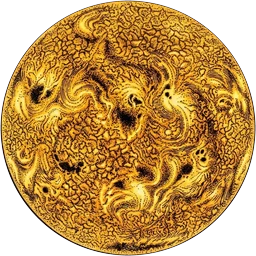
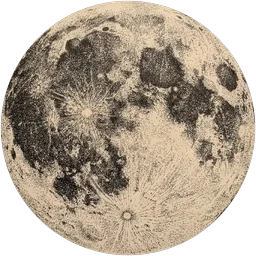
The two most important points of a chart. The Sun is who you are and what you strive for, the Moon what you need to feel safe. Together with the Ascendant they are the base of every reading.
Personal Planets
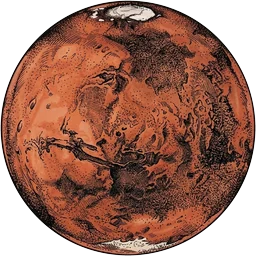
Mercury, Venus and Mars move quickly, so their placements differ even between people born a few weeks apart. They describe everyday life: how you think and talk, what you love and value, and how you act and stand up for yourself.
Social Planets
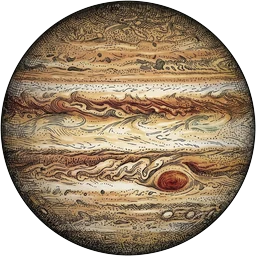
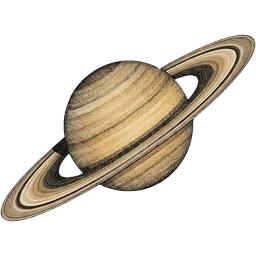
Jupiter and Saturn connect the individual with the wider world: the first shows where opportunity and growth come from, the second where duty, limits and maturity wait. Each stays in a sign for one to two and a half years.
Generational Planets
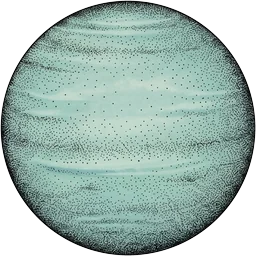
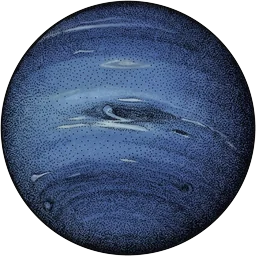
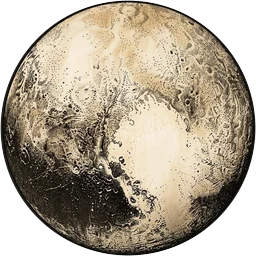
Uranus, Neptune and Pluto stay in one sign for years or even decades, so whole age groups share their sign. In a personal chart what matters most is the house they fall in and the aspects they make to the personal planets.
Lunar Nodes
The North and South Nodes are not bodies but the points where the Moon's orbit crosses the path of the Sun. They always lie opposite each other and describe an axis of growth: what is familiar and learned, and the direction worth moving in.
You might also like
Lunar calendar
Moon phases and zodiac signs for every day – month and full-year views.
Retrograde calendar
Retrograde dates for every planet – from Mercury to Pluto – in a full-year view.
Zodiac Signs
Discover the characteristics of all zodiac signs and their astrological properties.
Moon sign
Find out which sign the Moon was in on the day you were born – the date is enough.
Ascendant
Calculate your rising sign from your date, time and place of birth.